
Getting old is hard for pretty much everyone.
Though it happens very gradually, aging occurs within us in the form of graying hair, body changes, and the inability to understand what the kids are listening to these days.
But aging can also be wonderful. You are wiser, more confident, and have a head full of stories and adventures from throughout your life.
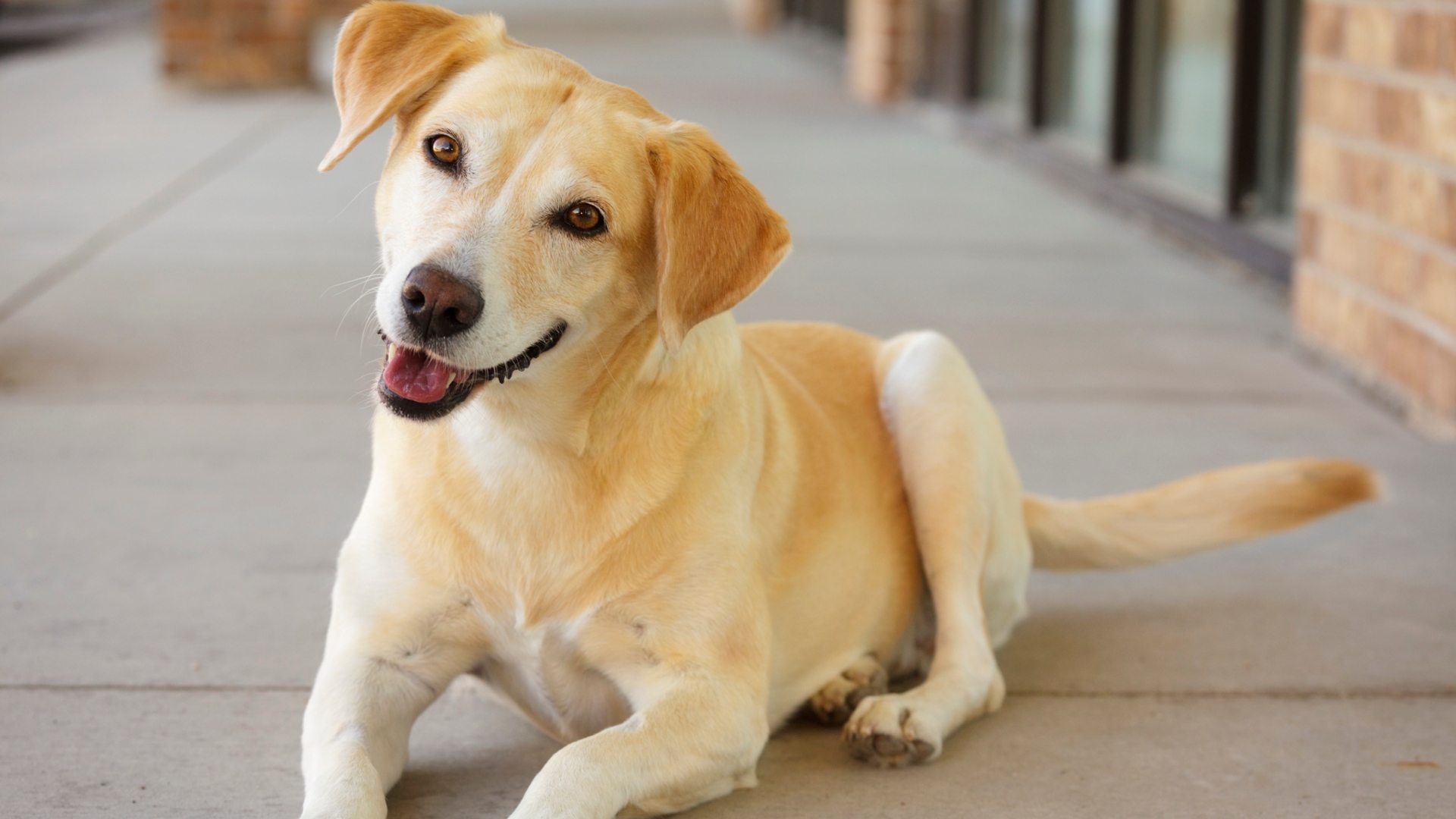
Aging is a multifaceted process that everyone goes through, even our beloved dogs eventually begin to get a little gray around the ears.
Being that they are spunky, happy, and constantly full of life — like this amazing dog with prosthetic limbs — it's hard to imagine our little angels getting old.
But they eventually do begin to slow down, and it's important to adjust your dog's normal routine to satisfy their changing bodies and minds.
Below is a list of tips to keep in mind when your dog begins to age that will help keep them healthy, happy, and hopefully extend their life with you as long as possible.
How Dogs Age
Like us, dogs get a little more delicate, frail, and gray with every passing year.
However, dogs age much more quickly than we do. They grow incredibly fast in the first two years of their lives, becoming adults basically from the time they are 2 years old.
From then on, they age steadily, but still much faster than humans.
So if your dog is past the age of 8, you may want to be wary that they are getting up there in age — although 8 years old seems so young to us!
All Dogs Age Differently
As a general rule, smaller dogs tend to have a longer lifespan than larger dogs. This is something to keep in mind when adopting a dog that will grow up to be big!
But every dog ages differently depending on environment and their individual health, so it is important to notice physical changes in them that would suggest that they are slowing down.
Below are a few ways to care for your dog once they begin to get up there in years — because old dogs deserve just as much love!
Tip #1: Provide More Easily Digestible Food

Doggie digestive systems are delicate when they are both very young and very old.
This means that it's important to pay attention to what they eat as their little livers, kidneys, and bowels may not work as well as they used to.
Getting food that has an adjusted protein content with more nutritional value can likely be better for his or her health.
Tip #2: Keep Their Bed And Toys On The First Floor

According to PetEducation, arthritis is a very common condition for older dogs, especially breeds that have historically frail joints like dachshund-basset hounds.
This causes their bodies to become stiffer, so it can be harder for them to get up and down stairs if they live in a multilevel home.
Keeping their food, toys, and bed on the first floor of your home can help keep them functioning like normal without causing any pain from climbing the stairs.
Tip #3: Look Out For Signs Of Disease
As dogs age, things in their body may begin to weaken, like their mobility, their heart function, and their immune system.
This can make it harder for them to fight off infections.
So it is important to look out for signs that your doggy may be sick like abnormal-colored eyes, more drool, and abnormal bowel movements.
Tip #4: Play Stimulating Games To Keep Their Mind Sharp
It's also important to keep your aging furry baby's mind sharp with tricks games that test their ability to solve problems.
You can find interactive dog games at the pet store, play a game of hide-and-seek, or even try to teach him a new trick — because the saying about old dogs is outdated anyway!
Tip #5: Pay Closer Attention To Their Weight
According to Revivalanimal, your dog's metabolism will decrease by about 20 percent once he becomes a little senior citizen.
This means that they are much more likely to gain weight, which could make mobility even harder for them.
Paying special attention to their diet while also giving them reasonable amounts of exercise for their age should help them from suddenly gaining a significant amount of weight.
Tip #6: Adjust Walking And Playtime To Their Energy Level
As mentioned before, your dog's stiffness may make it hard to have the same energy level he used to have.
But that doesn't mean that he doesn't want to have fun and play around with you outside.
Playing close attention to your dog's level of fatigue during a run, walk, or playtime can give you a good indication of when it's time to pick them up and head home.
Tip #7: Keep Them Extra Covered In The Cold
Your dog's ability to regulate his temperature in the elements may become harder as his mouth, nose, and foot pads get drier.
That means that you have to make sure that they are extra comfortable if the weather gets increasingly hot or cold.
Keep them cool in the summer by having plenty of water handy and putting them in a cooler part of your house, or throw a coat on them if it is cold outside.
Tip #8: Make Extra Time For Brushing And Grooming
As your dog's energy level decreases, you may need to pick up more of the slack when it comes to keeping him brushed and beautiful.
Tooth decay and bad breath are also a big problem with older dogs, so make sure to schedule more teeth cleanings or pile on the dental sticks.
Tip #9: Schedule More Vet Visits
Vetstreet advises that you schedule a checkup with your vet every six months once your dog begins to get up there in age.
Professionals can monitor your dog's internals, check to see if anything is working properly, and advise you on how you can help keep him that way.
Tip #10: Enjoy Quality Time With Your Pet
The most important thing to remember with your beloved aging baby is to spend quality time together and value all the moments you can have with them.
Though dogs have a different lifespan than us, it doesn't mean that we can't take steps toward giving them the longest, fullest, happiest life that we can.
If you think every senior dogs deserves the absolute best, make sure to SHARE these tips with friends and family!